

How To Replace A Missing Tooth: Options & Costs
You notice the gap every time you catch your reflection in a shop window, on a video call, or in a family photo. Some people stop smiling with teeth. Others start chewing on one side, cutting food smaller, or avoiding certain meals altogether.
That’s often how this starts. Not with pain, but with adaptation.
If you’re wondering how to replace a missing tooth, the good news is that modern dentistry gives you several reliable options. The better news is that replacing a tooth in a regional centre like Tamworth no longer has to mean long delays, messy impressions, or multiple trips for every step. With tools such as CBCT 3D imaging, Trios digital scanning, CEREC same-day restorations, and in-house 3D printing, treatment can be planned more precisely and delivered more comfortably than many patients expect.
The right choice depends on your mouth, your health, your budget, and how you want the final tooth to feel and function over time. Some solutions are faster. Some protect the jawbone better. Some cost less upfront but need more maintenance later. A careful recommendation should weigh all of that, not just the first invoice.
Why You Should Never Ignore a Missing Tooth
A single missing tooth can seem manageable at first. If it’s near the back, you might assume no one can see it, so it doesn’t matter much. If it’s at the front, the cosmetic impact is obvious, but the hidden biological changes matter just as much.

In Australia, this isn’t unusual. About 26% of adults aged 25 to 44 have lost at least one permanent tooth, and untreated missing teeth can lead to 30% bone loss in the first year alone, with a 25% increased risk of further tooth loss according to this overview of Australian dental implant statistics.
What changes after one tooth is gone
Your teeth work as a group. Remove one, and the others do not remain in place forever. The neighbouring teeth can begin to lean into the gap. The opposing tooth can over-erupt because it no longer has contact. Your bite changes, and small shifts can turn into uneven wear, food trapping, and extra load on certain teeth.
Patients often describe this as a vague feeling that “things don’t bite the same anymore”. That observation is usually accurate.
> Clinical reality: A missing tooth is rarely an isolated problem for long. It changes chewing, tooth position, and the bone that once supported the lost root.
The jawbone is another issue people can’t see. Natural roots stimulate bone when you chew. Once a tooth is gone, that stimulation disappears in that area. Over time, the ridge can shrink, which can affect future treatment choices and the final look of the restoration.
It’s not only about replacing enamel
A good replacement plan restores more than appearance. It aims to restore stability, chewing efficiency, cleanability, speech where relevant, and long-term oral health.
That’s especially important if the tooth was lost because of decay, fracture, grinding, or advanced gum disease. In those cases, replacing the tooth is only part of the job. The cause matters too, which is why underlying conditions such as gum disease treatment and prevention often need attention before or alongside the replacement itself.
For most patients, there is a path forward. The key is acting while the site is still favourable, rather than waiting until the gap causes more movement, more bone change, or more complex treatment.
Your Tooth Replacement Options A Detailed Comparison
When people ask how to replace a missing tooth, they usually want one clear answer. In practice, there are three main pathways for a single gap or a small number of missing teeth: dental implants, tooth-supported bridges, and removable partial dentures. Each can be the right choice in the right mouth. Each also has trade-offs.
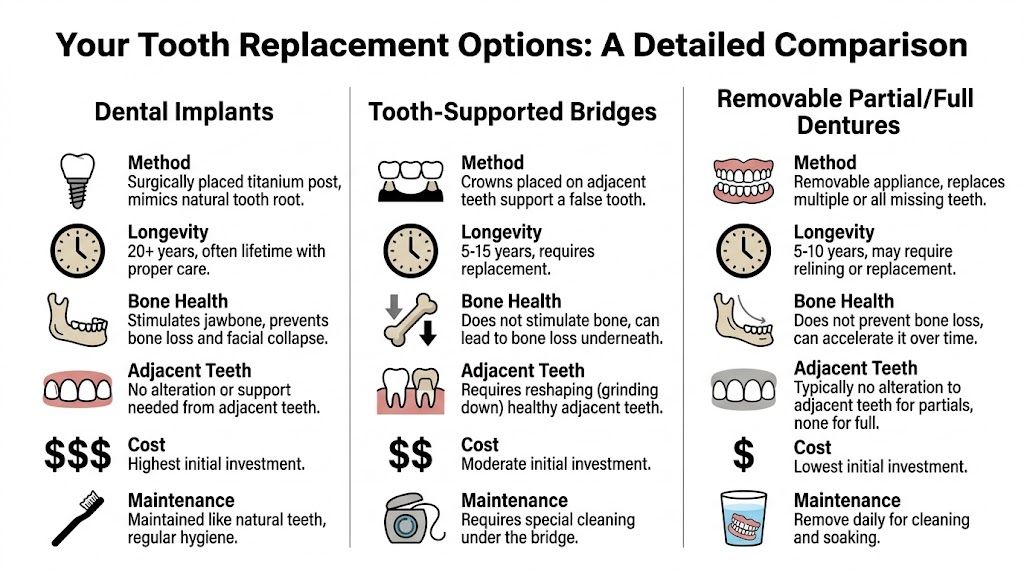
Dental implants
A dental implant replaces the missing tooth root with a titanium post placed in the bone, then supports a crown above the gumline. For a single missing tooth, this is usually the option that behaves most like a stand-alone natural tooth.
Implants are especially useful when the adjacent teeth are healthy and intact, because they don’t require those teeth to be cut down for support. They also help preserve bone by returning stimulation to the area.
According to this clinical guide to replacing missing teeth, single-tooth implants involve a staged process: assessment with CBCT and digital scanning, implant placement, a healing period for osseointegration, then attachment of the final abutment and crown. The same guide reports implant success rates over 97% at 10-year follow-up.
#### Where implants work well - Healthy adjacent teeth: Best when the neighbouring teeth don’t need crowns already. - Patients wanting a fixed solution: The tooth stays in place and is cleaned much like a natural tooth. - Long-term planners: Implants often suit people who want to avoid repeated replacement cycles.
#### Where implants may not be first choice - Insufficient bone or active disease: These issues may need treatment before an implant is considered. - Preference to avoid surgery: Some patients simply want a non-surgical option. - Short-term budget pressure: Implants usually cost more upfront.
> A well-planned implant is conservative because it replaces the missing tooth without sacrificing sound enamel on the teeth beside it.
Tooth-supported bridges
A bridge fills the gap by placing crowns on the teeth next to it and suspending a replacement tooth between them. It’s a fixed option, which many patients like, and it can be an excellent treatment when the neighbouring teeth are already heavily restored and would benefit from crowns anyway.
Bridges also have a practical speed advantage in many cases. With digital design and CEREC workflows, provisional or final stages can often move faster than older methods that relied entirely on physical impressions and off-site lab turnaround.
The trade-off is biological. A bridge depends on the support teeth. If those teeth are healthy and untouched, they must be reshaped to carry the restoration.
According to this review of bridge and implant outcomes, a tooth-supported bridge has a success rate of 88% to 92% at 10 years, while food impaction under the pontic can contribute to a 30% secondary decay risk. The same source notes that dental implants have a success rate over 97% at a 10-year follow-up.
#### When a bridge makes sense 1. The neighbouring teeth already need crowns. In that case, the preparation may align with treatment those teeth needed anyway. 2. You want a fixed tooth without implant surgery. A bridge can provide that. 3. The site isn’t suitable for an implant right now. A bridge can sometimes solve the immediate problem while avoiding surgical treatment.
#### Main limitations - Healthy tooth structure is removed - Bone beneath the missing tooth still resorbs over time - Cleaning under the bridge takes more effort than cleaning a single crown
Removable partial dentures
A removable partial denture replaces one or several missing teeth with an appliance you take in and out. For some patients, this is the most practical option, especially when multiple teeth are missing, the spaces are spread out, or a lower upfront cost matters most.
This option can restore appearance and basic function, but it doesn’t feel the same as a fixed tooth. Some patients adapt quickly. Others never really enjoy the removable nature of it, particularly if they want to forget the replacement is there.
A removable partial also doesn’t prevent bone shrinkage in the area of the missing root. It can be a useful treatment, but it usually sits lower on the list when a patient wants the most natural feel and the best long-term imitation of a real tooth.
Tooth Replacement Options at a Glance
| Feature | Dental Implant | Dental Bridge | Removable Partial Denture | |---|---|---|---| | How it works | Replaces the root with a titanium post and supports a crown | Uses neighbouring teeth to support a false tooth | Removable appliance replaces one or more teeth | | Feel in the mouth | Most like a stand-alone natural tooth | Fixed and stable, but joined to adjacent crowns | Less natural for many patients because it’s removable | | Effect on nearby teeth | Leaves adjacent teeth untouched | Requires preparation of neighbouring teeth | Usually avoids cutting adjacent teeth | | Effect on jawbone | Helps maintain stimulation in the missing tooth area | Doesn’t stimulate bone beneath the gap | Doesn’t stimulate bone beneath the gap | | Cleaning | Similar to cleaning around a natural tooth | Requires careful cleaning under the pontic | Must be removed and cleaned separately | | Best fit | Single missing tooth with suitable bone and gum support | Gap where adjacent teeth also need crowns, or where surgery isn’t preferred | Multiple missing teeth, wider spans, or lower upfront budget | | Long-term outlook | Strong long-term option for many patients | Good fixed option with maintenance demands | Useful and practical, though often less ideal for feel and stability |
What modern technology changes
The decision isn’t only about the type of replacement. It’s also about how accurately it’s planned and made.
CBCT 3D imaging helps assess bone volume and anatomy for implants. Trios digital scanning captures the teeth and bite without the mess of traditional impressions. CEREC allows same-day design and milling for certain crowns and bridge components. In-house 3D printing supports planning and precision in more complex restorative work.
Those tools don’t replace clinical judgement. They improve it.
When weighing a fixed replacement, a dedicated dental implant assessment and treatment discussion becomes useful. The best plan should reflect not just what can be done, but what will hold up well in your mouth over time.
Evaluating Your Suitability What to Expect at Your Consultation
The right replacement starts with diagnosis, not guesswork. A proper consultation should answer four questions. What caused the tooth loss, what condition are the surrounding teeth and gums in, what does the bone look like, and which option suits your goals and habits best.
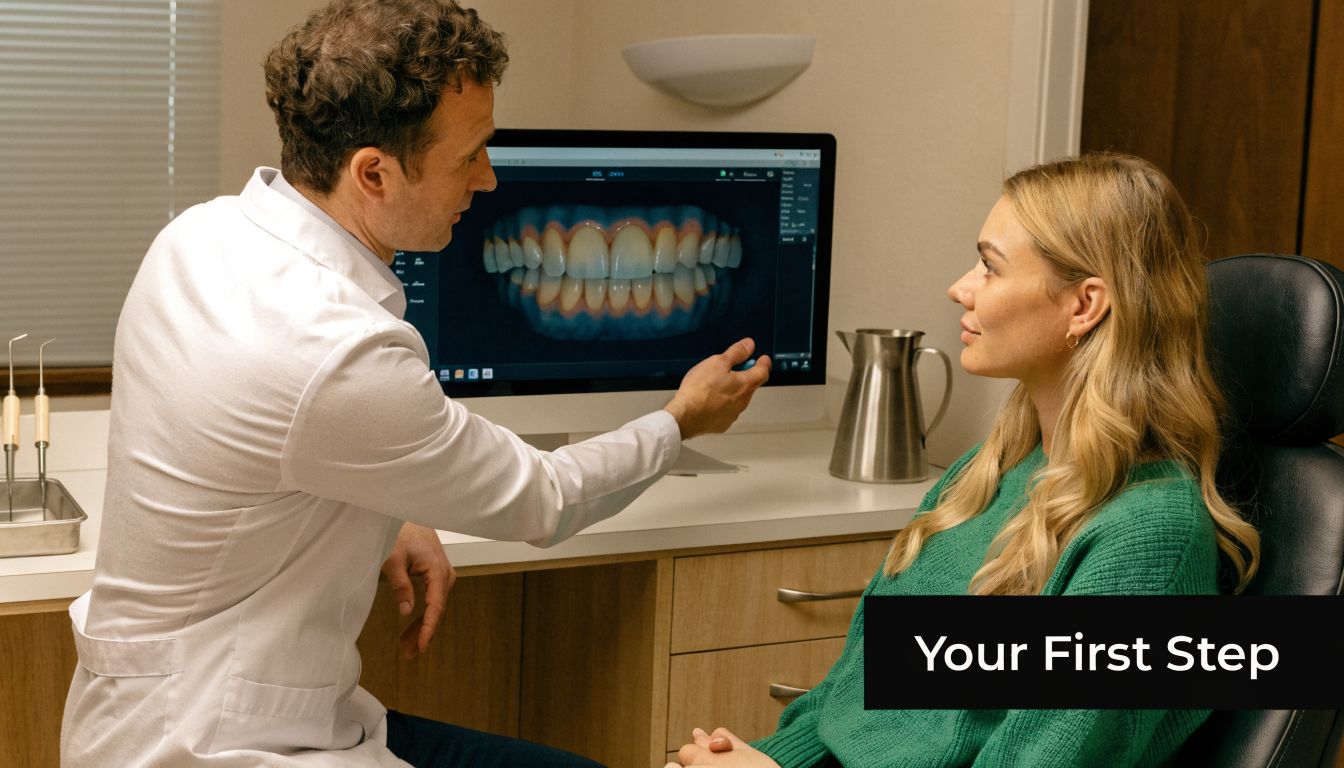
Step one starts with the history
The consultation usually begins with conversation, not instruments. When was the tooth lost. Was it removed because of a crack, decay, trauma, failed root canal treatment, or gum disease. Do you clench or grind. Are you hoping for the fastest option, the most conservative option, or the best long-term value.
Those answers matter because the same gap can call for different treatment in different people.
A missing premolar in a patient with excellent bone and untouched neighbouring teeth often points one way. The same gap in a patient with heavily filled adjacent teeth and a preference to avoid surgery may point another.
The clinical examination
A thorough exam checks the site itself, but also the whole bite. The dentist looks at gum health, space for the replacement, how the opposing teeth meet, whether neighbouring teeth have drifted, and whether those teeth are strong enough to help support a bridge if needed.
This is also where problems that would shorten the life of any restoration are identified early. If the gums are inflamed, plaque control is poor, or a tooth next to the gap is already compromised, those issues need to be built into the plan.
> What matters most at this stage: The best replacement isn’t simply the strongest material. It’s the option that fits the condition of your teeth, gums, bone, and bite.
Why CBCT scanning changes implant planning
For implant cases, CBCT 3D imaging is one of the most important tools available. It allows the dentist to assess bone volume, shape, and key anatomical structures in three dimensions rather than relying on a flat estimate.
That improves safety and planning quality. It also helps determine whether the site is ready for an implant or whether another path would be more predictable.
A scan can also show why an implant might not be ideal immediately. Bone may have narrowed after tooth loss. The space may be too tight. The bite may place more force on the area than expected. It’s better to know that before treatment begins.
Why digital scanning improves comfort and precision
Trios digital scanning replaces the old process many patients remember as “gooey moulds”. The scanner creates a digital model of the teeth, bite, and surrounding structures. That model helps with planning crowns, bridges, and implant restorations more accurately.
For patients, the immediate benefit is comfort. For the restorative team, the benefit is detail. Digital records help with fit, design, communication, and consistency from planning to final placement.
What you should leave with
A good consultation should leave you with a recommendation and a reason for it. Not just “you need an implant” or “a bridge will do”, but why that option is preferable in your case.
You should also understand: - Whether treatment should happen soon: Some sites are better treated before more movement or bone change occurs. - What preparatory care is needed: This may include gum treatment, temporary stabilisation, or review of the neighbouring teeth. - How the process will unfold: Fixed replacement is easier to commit to when the steps are clear.
If you leave a consultation feeling rushed or confused, you haven’t been given enough information. Replacing a tooth is straightforward in many cases, but it should still be personalised.
The Clinical Journey From First Scan to Final Smile
You come in with a gap that has started to bother you every time you smile or chew. By the end of the first proper planning visit, the path is usually much clearer. We can see the bone, check the nearby teeth, map the bite, and explain the likely timeline in plain terms.
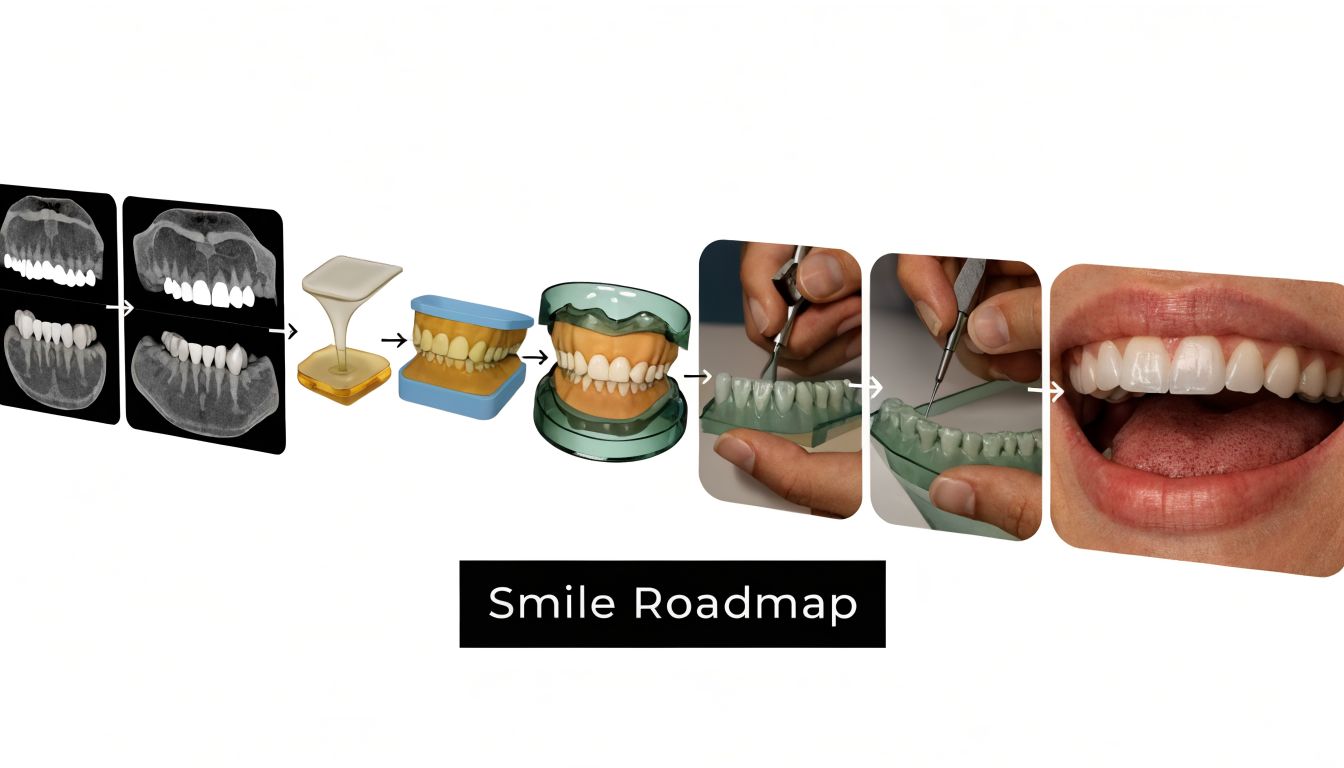
At Oasis Smiles, that first step is not guesswork. We use digital scanning and CBCT imaging to plan treatment from the final result backwards. In practical terms, that means we are not only asking how to fill the space. We are checking how the replacement tooth will sit in the smile, meet the opposing teeth, and hold up over years of use. In a regional centre like Tamworth, having that technology in-house saves time and reduces the handoffs that often slow treatment down.
The implant pathway
An implant is the most structured process, but it is also the most precise when planned well. We begin by reviewing the CBCT scan, measuring the available bone, checking the position of nerves and sinuses where relevant, and deciding whether the site is ready for placement or needs preparation first.
That planning matters because implant treatment has very little room for casual positioning. The implant must support a crown that looks right, cleans well, and takes bite forces properly.
On the day of placement, the implant is inserted under local anaesthetic. Many patients do well with local anaesthetic alone. For anxious patients, or for longer appointments, sedation can make the visit much easier. The goal is straightforward treatment with as little stress as possible.
After placement, the bone needs time to heal around the implant. The American Academy of Periodontology explains the implant process and the importance of that healing phase in its dental implant overview. During this stage, some sites can carry a temporary tooth and some should not. That choice depends on the location, the bite, and how much stability the implant has on the day.
Healing and the final crown
The final crown should never feel like an afterthought. Once healing is confirmed, we take a new digital record of the implant position and design the crown to match the surrounding teeth and the way you bite.
In-house systems greatly enhance the patient experience. With CEREC and digital design under one roof, we can control the shape, contacts, and appearance more closely and cut out some of the waiting that comes with sending each stage elsewhere. That does not make every case same-day, and it should not. It does mean the process is often faster, easier to adjust, and more predictable.
I tell patients the same thing every week. The best implant cases are the ones planned around the final tooth from day one.
The bridge pathway
A bridge usually takes fewer steps because there is no healing period in the bone. If the neighbouring teeth are healthy enough to support it, we prepare those teeth, scan the area, design the replacement, and fit the bridge once it is ready.
For the right patient, that can be a sensible option. It restores the gap promptly and avoids surgery. The trade-off is long-term. A bridge depends on the support teeth remaining sound, and if one of those teeth develops decay, fracture, or gum problems later, the whole restoration may need to be remade.
That is part of the cost-of-ownership discussion many patients are glad we have early. The quickest path is not always the one that asks the least of you over the next decade.
#### A typical bridge sequence 1. Prepare the neighbouring teeth so they can support the bridge properly. 2. Capture a digital scan of the teeth, bite, and the space being restored. 3. Design and mill the restoration using in-house systems where appropriate. 4. Fit and refine the bridge so it feels stable, cleans well, and blends with your smile.
Why modern workflows change the experience
Patients who have not been to the dentist for restorative work in years often expect messy impressions, long waits, and a lot of uncertainty. Modern digital workflows have changed that.
CBCT helps us plan with far more confidence before treatment starts. CEREC shortens the gap between preparation and fit in many restorative cases. Digital scanning improves comfort and gives us more consistent records to work from. You can see how these systems support restorative care on our digital dental technology page.
The benefit is not only convenience. Fewer remakes, fewer delays, and tighter control over each stage often lead to a better fit and a calmer process.
Comfort matters throughout treatment
A replacement tooth can be technically excellent and still feel like a poor experience if every visit feels tense. Clear explanations, good anaesthesia, sedation where appropriate, and well-organised appointments matter more than many patients expect.
For most patients, this treatment is a series of manageable visits, not one overwhelming event. Once you know the sequence and the reasons behind it, the process becomes much easier to commit to. The final appointment often feels less like dental treatment and more like getting normal function back.
Costs Recovery and Long-Term Care
The question most patients initially ask themselves is often the same one they ask out loud later. Which option gives me the best value, not just the lowest starting price?
That’s the right question.
Upfront cost versus lifetime cost
A replacement tooth isn’t a one-line purchase. It’s an investment in function, comfort, maintenance, and future treatment needs. According to this guide to missing teeth replacement options, an implant may cost more upfront, with an average cost of $2,695, but its typical 25+ year lifespan often makes it more cost-effective over time compared with a bridge, which may need replacement every 7 to 15 years, or partial dentures that often require frequent adjustments.
That doesn’t mean an implant is automatically the right financial choice for every patient. Cash flow matters. Timing matters. Existing dental work matters. But it does mean the cheapest starting point isn’t always the least expensive path across the years.
How to think about value
A useful way to compare options is to look at four kinds of cost.
- Initial treatment cost: What you pay to get the tooth replaced now.
- Maintenance cost: The cleaning tools, reviews, and possible repairs the restoration may need.
- Replacement cost: Whether the option is likely to need full replacement earlier.
- Biological cost: Whether the treatment preserves or sacrifices healthy tooth structure and bone support.
A bridge can be an excellent treatment, especially when nearby teeth already need crowns. But if two healthy teeth have to be cut down to replace one missing tooth, that biological cost should be part of the decision.
A removable partial may be the most accessible entry point financially, but some patients later choose a fixed option because they want better stability and comfort. That’s worth discussing early.
> Long-view advice: Ask not only “What does it cost?” Ask “What will this option ask of me over time?”
Recovery expectations
Recovery depends on the treatment.
After an implant procedure, it’s normal to expect a healing phase before the final crown is fitted. Patients are usually advised to follow the post-operative instructions carefully, keep the area clean, and avoid placing unnecessary stress on the site while healing progresses.
After a bridge, recovery is usually more about adapting to the new contours and keeping the supporting teeth clean. The bite may need a minor adjustment as the mouth settles into the new restoration.
With removable partial dentures, the early period often involves getting used to insertion, removal, speech changes, and pressure spots that may need adjustment.
What protects your new tooth long-term
The restoration matters, but your habits matter more after it’s in place.
#### Daily care that makes the difference - Brush thoroughly: Clean the gumline and all surrounding teeth carefully every day. - Use the right cleaning aids: Bridges often need special cleaning underneath the replacement tooth. Removable appliances need separate cleaning outside the mouth. - Attend review appointments: Small issues are easier to correct before they become repair or replacement problems. - Protect against grinding: If you clench or grind, ask whether a protective splint is appropriate.
If you’re considering a removable option now, it’s worth understanding how modern denture treatment and review appointments fit into long-term maintenance and comfort.
Frequently Asked Questions About Tooth Replacement
Is replacing a missing tooth painful
Most patients are surprised that the process is easier than they expected. During treatment, local anaesthetic is used so the area is numb. Afterwards, the experience depends on the procedure. An implant site usually involves a short post-operative recovery period, while a bridge often feels more like settling in around prepared teeth and a new bite. Anxiety can make any treatment feel bigger than it is, so clear explanation and a calm clinical environment matter.
Which option feels most like a natural tooth
For a single missing tooth, an implant usually feels most like having a separate natural tooth again because it stands independently and doesn’t rely on the neighbouring teeth for support. A bridge is still fixed and often feels very stable, but it joins the replacement to adjacent crowns. A removable partial is functional, though it generally feels least like a natural tooth because you take it out.
How long will the replacement last
Longevity depends on the option chosen, the quality of the planning, your bite, and your daily care. Implants are often chosen for their long-term outlook. Bridges can serve very well too, particularly when they’re well indicated and kept meticulously clean. Removable appliances can be practical and effective, but they usually need more ongoing adjustment and review.
Will the new tooth look obvious
A properly planned replacement shouldn’t draw attention to itself. The shape, colour, translucency, gumline, and bite all matter. The best result is one that matches the surrounding teeth and sits naturally in the smile. Modern digital workflows help because they allow detailed planning of contour and fit before the restoration is made.
What if I’m nervous about treatment
That’s common, and it shouldn’t stop you from replacing the tooth. Nervous patients usually do best when the steps are explained clearly and appointments are paced properly. If you’ve had a bad experience before, say so early. That changes how the team plans your care and support.
Is there one best option for everyone
No. The best option is the one that suits your mouth and your priorities. If the neighbouring teeth are untouched and the bone is suitable, an implant is often the most conservative long-term fixed choice. If adjacent teeth already need crowns, a bridge may be very sensible. If several teeth are missing or cost is the main pressure, a removable partial may be the most practical starting point.
---
If you’re ready to talk through your options with a local team, Oasis Smiles Dental offers detailed assessments for patients across Tamworth and the New England region, using modern tools such as CBCT 3D imaging, Trios digital scanning, CEREC same-day restorations, and in-house 3D printing to help make tooth replacement more precise, comfortable, and efficient.