

How Long Do Veneers Last? Lifespan & Care Tips
Porcelain veneers typically last 15-25 years, while composite veneers usually last around 5-10 years. If you’re sitting there wondering whether veneers are a short-term cosmetic fix or something that can stay with you for years, that difference matters, and it’s worth understanding why.
A lot of people around Tamworth come in with the same quiet worry. They smile with their lips closed in photos, cover their mouth when they laugh, or avoid treatment because they don’t want to invest in something that won’t last. Veneers can be a long-term option, but not every veneer behaves the same way, and not every patient has the same wear pattern. Age, habits, tooth preparation, home care, and even whether you clench when you’re anxious can all change the actual outcome.
Think of this like a chairside conversation. You want the straight answer to how long do veneers last, but you also want to know what that answer means for your life, your teeth, and your budget. That’s where the detail matters.
Your Smile's Future Investing in Dental Veneers
Say you’ve been thinking about veneers for a while. Maybe it started with one front tooth that’s chipped, or years of staining that whitening hasn’t shifted, or a smile that looks uneven in the mirror even though the teeth are healthy enough day to day. You’re not chasing perfection. You just want to stop thinking about your teeth every time someone takes a photo.
That’s why veneers are better thought of as a long-term smile investment, not a quick cosmetic patch. They’re designed to improve shape, colour, balance, and confidence in a way that feels natural when they’re planned properly. But “long-term” means different things depending on the material and on you as a patient.
The simple answer patients want first
If you’ve asked friends, searched online, and ended up more confused than when you started, here’s the practical version.
- Porcelain veneers are the longer-lasting option for most adults.
- Composite veneers usually have a shorter working life, but they can still be a useful choice in the right case.
- Your habits matter just as much as the material. A careful patient with regular reviews usually gets a better result than someone who skips maintenance and bites ice.
> Chairside truth: Veneers don’t fail on a calendar date. They last well when the material, bite, tooth preparation, and daily care all match the person wearing them.
That’s often the part people miss. Two patients can both have veneers placed beautifully and still have different outcomes because one clenches at night, one drinks coffee all day, one flosses consistently, and one has a changing bite.
Why the answer isn’t the same for everyone
A veneer sits on a real tooth in a real mouth. That means daily pressure, temperature changes, chewing habits, gum health, and the way your upper and lower teeth meet all play a part. The veneer itself might be strong, but it still relies on the tooth underneath and the bond between the two.
For local families, there’s another layer. A younger patient considering veneers before or around orthodontic treatment may have a different long-term outlook than an adult with a stable bite. An anxious patient using sleep dentistry may need extra planning around clenching and protection afterwards.
So if you’re asking how long do veneers last, the honest answer is this. The material gives you the starting range. Your mouth and your habits decide where in that range you’re likely to land.
Porcelain vs Composite Veneers A Lifespan Comparison
A common Tamworth question in the chair is simple. “If I’m going to do this, how long is it likely to last for me?”
The answer starts with the material, but it becomes clearer when you look at how each option behaves in a real mouth over time. Porcelain and composite can both improve a smile beautifully. They just age differently, much like two types of surfaces in a home. One tends to keep its finish for longer. The other is easier to patch and reshape, but usually shows wear sooner.
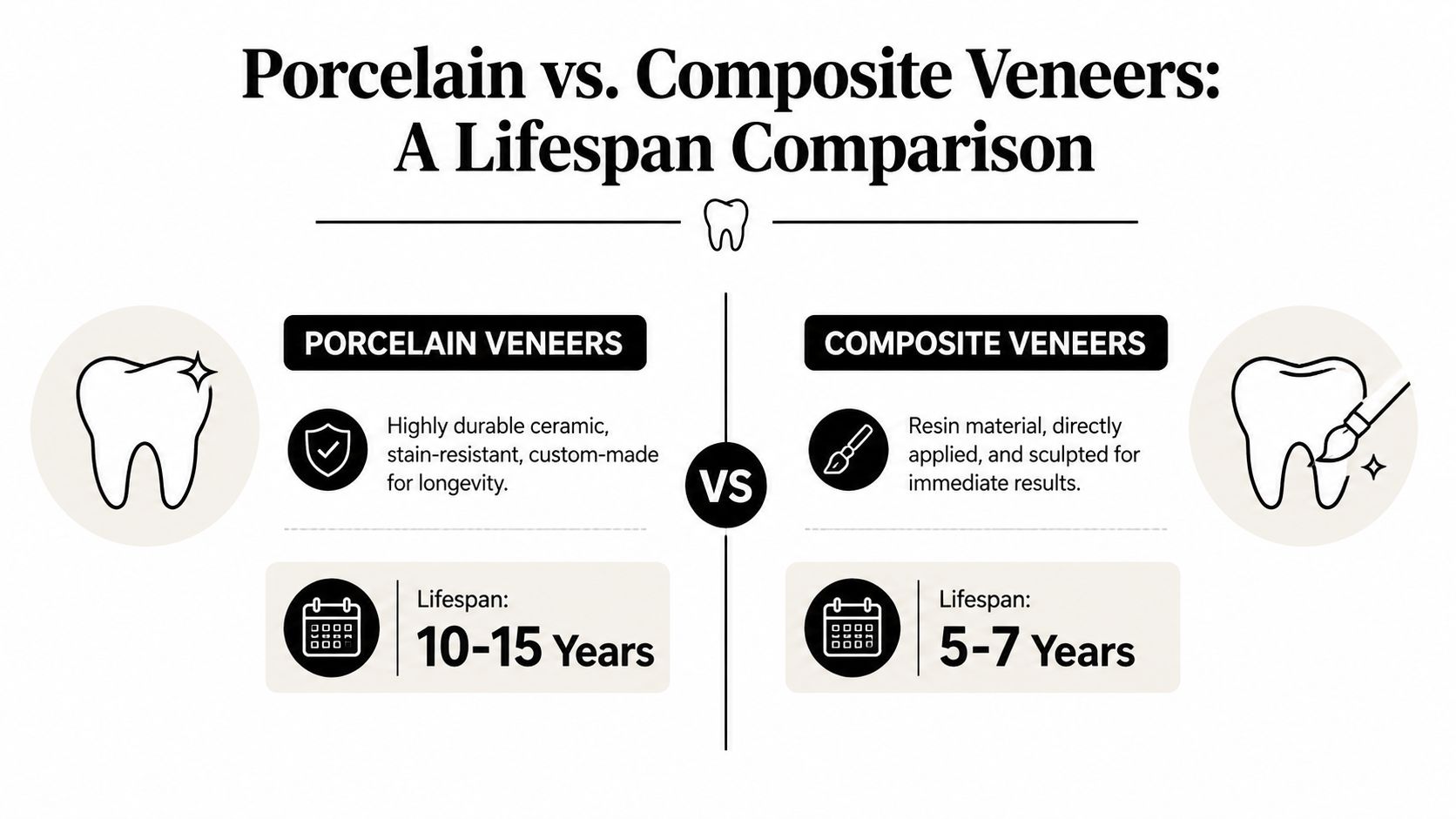
What porcelain veneers offer
Porcelain is the more durable, stain-resistant option in most cases. Its surface stays smoother for longer, which helps it keep that natural gloss people usually want from veneers. That matters if you drink a lot of coffee, enjoy red wine, or want a smile that keeps looking consistent year after year.
For many adults with a stable bite and long-term cosmetic goals, porcelain is often the better fit. It is commonly chosen for several front teeth at once, especially when the aim is a polished result that holds its shape and colour well over time.
It can also suit anxious patients having treatment under sleep dentistry, because it allows careful planning before placement and aims for a longer-lasting endpoint once everything is fitted properly.
Where composite veneers fit
Composite veneers usually have a shorter working life than porcelain, but they still have a very clear place in cosmetic dentistry. They are more conservative in some cases, can often be completed more quickly, and are easier to repair or adjust if a small chip or shape change happens later.
That makes composite appealing for a few local patient groups:
- younger adults who want to improve a chipped or uneven tooth without committing to a full porcelain plan straight away
- patients trialling a cosmetic change before deciding on a more long-term option
- people with minor edge wear or small shape concerns who may do well with dental bonding for small smile corrections
Composite is a bit like a well-done surface repair on a benchtop. It can look excellent, especially at the start, but it usually needs more touch-ups as the years go by.
Which one lasts longer in real life
Porcelain usually lasts longer than composite. That is the broad rule.
But “longer” does not mean “best for everyone.” A 22-year-old with changing bite patterns, sport, or a history of grinding may not have the same outlook as a 45-year-old with a settled bite and careful home care. In the same way, an anxious patient who has needed sleep dentistry to get through treatment may do very well, but only if the plan also deals with clenching risk and follow-up protection.
So the practical comparison looks like this. Porcelain generally gives you more durability and better colour stability. Composite gives you more flexibility and simpler repairs.
A side-by-side view
| Feature | Porcelain veneers | Composite veneers | |---|---|---| | Typical lifespan | Usually longer | Usually shorter | | Appearance over time | Holds colour and surface polish well | More likely to pick up wear and staining | | Repairs | Often need replacement if damaged | Can often be repaired or adjusted more easily | | Best for | Patients wanting a durable long-term cosmetic result | Patients wanting a conservative or more flexible cosmetic option |
The better choice is the one that matches your age, bite, habits, and goals. In a regional practice like ours, that often matters more than chasing a generic lifespan estimate.
Key Factors That Determine Veneer Longevity
Two veneers can look identical on the day they’re fitted and behave very differently over the years. The reason usually comes back to four things. How accurately they were planned, how well you care for them, what forces you place on them, and how suitable the tooth underneath was in the first place.
Precision at the start
A veneer needs to fit like a custom-made jacket, not an off-the-shelf one. If the fit is off, even slightly, the edge can become harder to keep clean, the bite can hit awkwardly, or the veneer can carry force in the wrong place.
Digital planning helps because it gives the dentist a clearer picture of your smile, tooth shape, and bite before the final veneer is made. Modern tools such as digital dental scanning and imaging technology can improve how precisely a veneer is designed and seated.
A good fit doesn’t just look better. It usually behaves better under pressure.
Home care changes the outcome
People sometimes assume veneers can’t decay, so they don’t need the same level of care. The veneer material itself doesn’t decay, but the tooth around it still can, and the gumline still needs to stay healthy.
Here’s what happens when daily care slips:
- Plaque builds near the edges and the margin becomes harder to maintain
- Gums become inflamed and can pull attention to the join between veneer and tooth
- The underlying tooth stays at risk even if the veneer surface still looks fine
That’s why I tell patients to think of veneers like a beautiful tile attached to a brick wall. The tile can stay glossy, but if the wall behind it is neglected, the whole system weakens.
Force is often the hidden problem
Most veneer damage doesn’t come from eating a sandwich. It comes from repeated pressure in the wrong direction. Clenching, grinding, chewing ice, cracking nuts with front teeth, or using teeth to open packaging all create stress points.
It's common for people to be caught out. They don’t feel themselves grinding, so they assume they don’t do it. Often, a partner notices first, or we see the wear marks during a check-up.
> Practical rule: If you wouldn’t use that tooth to tap a ceramic mug, don’t use it to bite that object.
The front teeth are built to bite into food, but they’re not tools. Veneers need that same respect.
The tooth underneath matters too
A veneer sticks best to a healthy, well-prepared tooth. Strong enamel generally gives the most reliable bond. When the starting tooth is already heavily restored, cracked, or structurally compromised, the veneer may not be the ideal restoration, or the case may need more careful planning.
This is also why “minimal” doesn’t always mean “better” if it’s done without judgement. The preparation has to support the final shape and bond, not just preserve tooth at all costs.
What tends to help most over time
The patients who usually do best with veneers tend to be the ones who keep the basics boring and consistent.
- Attend review visits so tiny issues are noticed early
- Brush gently but thoroughly rather than scrubbing hard
- Protect against grinding if your bite shows signs of stress
- Ask about changes quickly if something feels different
Veneers last well when the planning, the biology, and the behaviour all line up.
A Practical Guide to Veneer Maintenance
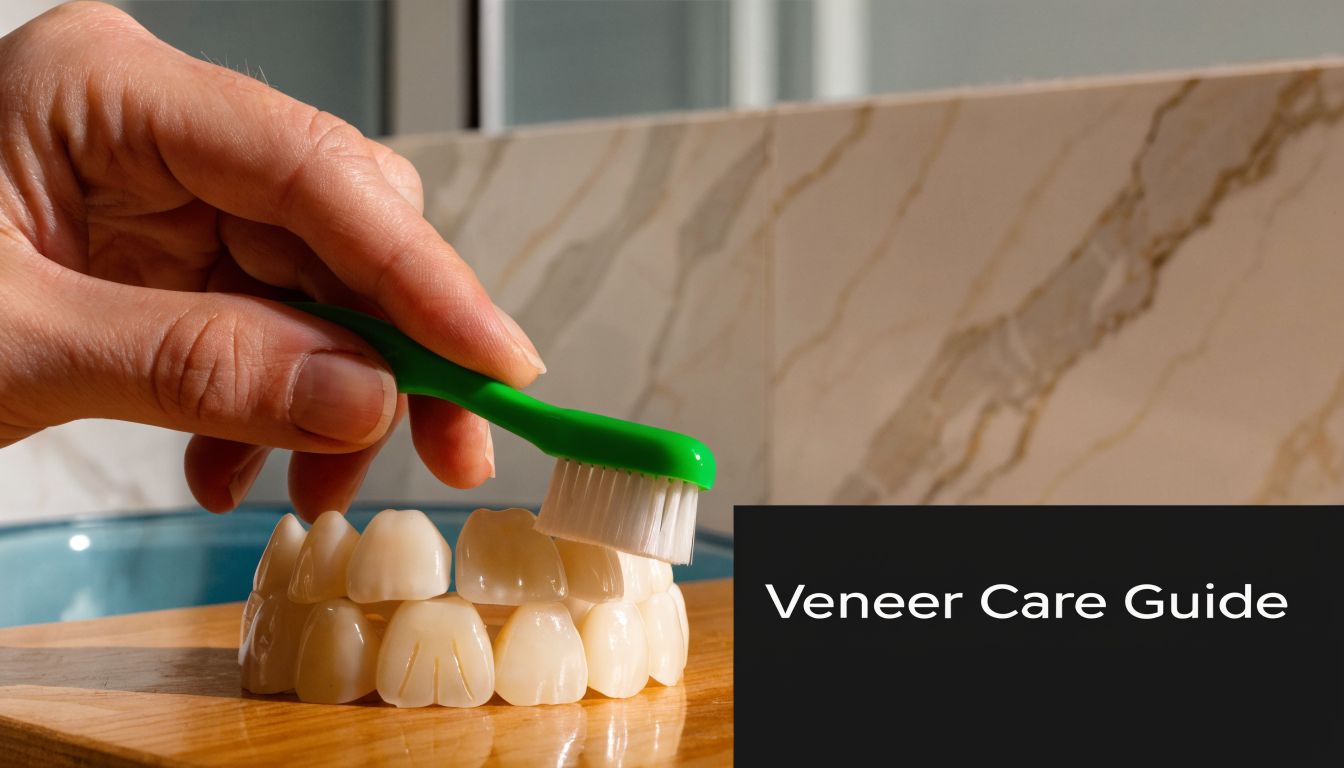
Good veneer maintenance isn’t complicated. It’s mostly about avoiding small mistakes that add up over time. If you’ve invested in your smile, the goal is to keep the surface clean, the gumline healthy, and the bite protected.
Australian guidance referenced in veneer care discussions notes that consistent flossing and fluoride treatments can add 5-10 years to veneer lifespan, and patient surveys from 2020-2025 indicate 80% satisfaction at 10 years, strongly linked to good home care and regular professional check-ups, according to this veneer maintenance and satisfaction summary.
Your daily routine
You don’t need a shelf full of gadgets. You need a routine you’ll stick to.
- Use a soft-bristled toothbrush so you clean thoroughly without being rough at the gumline.
- Choose a fluoride toothpaste that isn’t overly abrasive.
- Floss once a day and slide the floss through gently rather than snapping it down hard.
- Rinse after coffee, tea, or strongly coloured foods if you can’t brush straight away.
If you’ve ever wondered whether veneers need “special products”, the answer is usually no. They need sensible products and consistent use.
Foods and habits to be careful with
You don’t need to eat like you’re wearing fragile glass, but you do need to avoid avoidable damage.
- Hard items like ice, very hard lollies, and nutshells can chip edges
- Sticky foods such as chewy caramels can pull awkwardly at restorations
- Using teeth as tools is one of the fastest ways to shorten the life of cosmetic work
- Frequent staining drinks don’t affect porcelain the same way they affect natural enamel, but they can affect the overall colour harmony of your smile
If you want a practical extra read on cleaning habits and colour maintenance, this expert guide on veneer care gives useful patient-friendly advice.
> Keep the routine gentle. Veneers don’t respond well to aggressive brushing, harsh whitening pastes, or “I’ll fix it myself” habits.
The night-time step many people need
Some patients do everything right during the day and still wear down veneers at night. If you clench or grind, protection matters. A custom-fitted night guard for grinding and clenching can help reduce the load placed on veneers while you sleep.
That matters even more if you wake with a tight jaw, morning headaches, or soreness in the chewing muscles.
A simple maintenance checklist
| Habit | Why it helps | |---|---| | Soft brushing | Protects the gumline and veneer surface | | Daily flossing | Keeps margins cleaner | | Fluoride use | Supports the natural tooth around the veneer | | Regular check-ups | Catches small problems early | | Night guard when needed | Reduces pressure from clenching and grinding |
The best maintenance plan is the one that becomes normal. Once it’s part of your routine, it doesn’t feel like extra work.
Warning Signs Your Veneers Need Attention
A veneer usually asks for help before it fails. In the chair, patients often describe it as a small change they kept meaning to mention. A corner feels different. One tooth catches the light oddly. The bite no longer closes the way it did a few months ago.
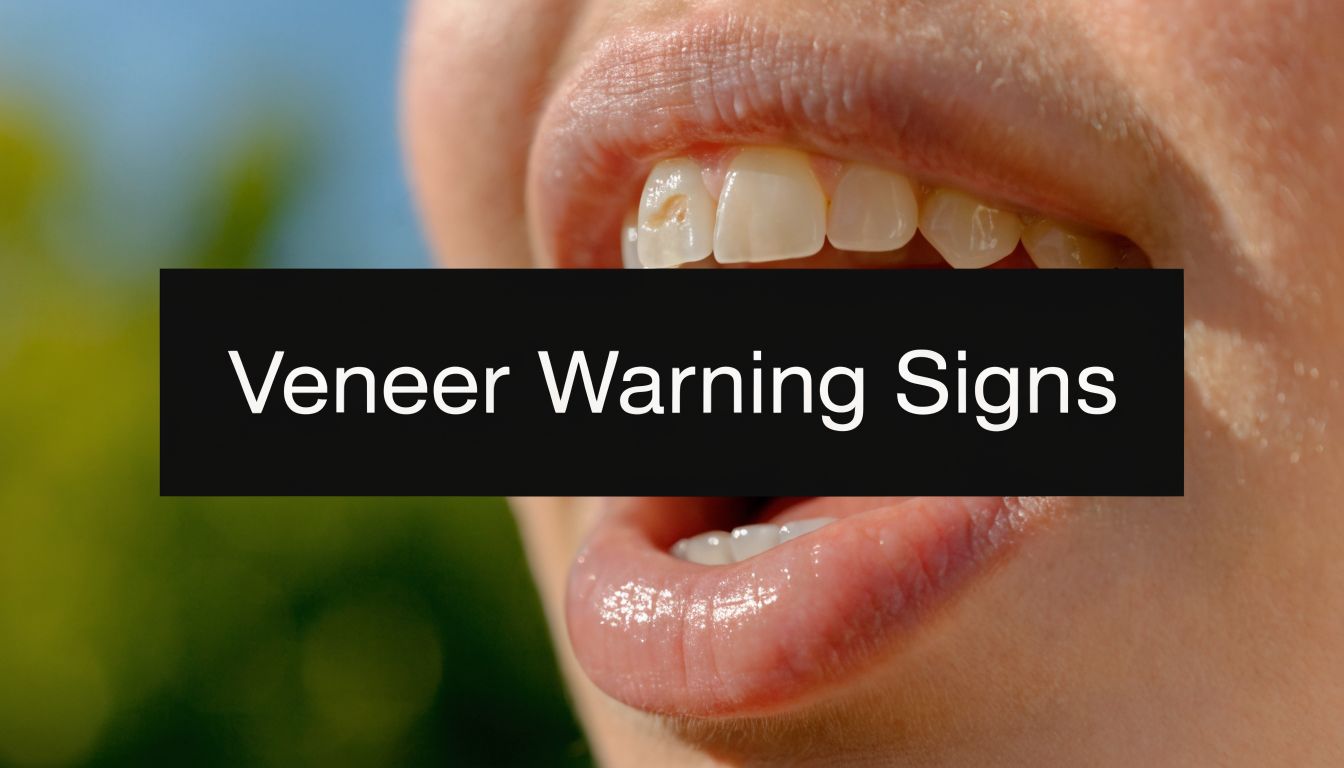
That early stage matters. Veneers work a bit like a tile on a wall. If the edge chips or the bond starts to weaken, the problem may still be small, but it is easier to repair before moisture, pressure, or grinding make it worse.
Changes you can see
Start with what you notice in the mirror under normal bathroom light, not just in bright photos.
Look out for:
- A chip or fine crack at the edge
- A dark line near the gumline
- One veneer looking shorter, flatter, or less even than the matching tooth
- A surface that looks dull, rough, or uneven
- A veneer that no longer blends with the rest of your smile
A dark line does not always mean the veneer has failed. Sometimes it points to stain at the edge, gum changes, or the underlying tooth showing through more clearly. It still deserves a check.
Changes you can feel
Your tongue is often the first thing to notice trouble. Patients from Tamworth often tell us they can feel a change days or weeks before they can see it.
Common clues include:
- A rough edge catching on the tongue
- A slight feeling of movement
- New sensitivity to cold, sweets, or pressure
- A bite that feels uneven when you chew
- Tenderness around one veneered tooth
If a veneer feels different, book a review. Small adjustments are usually much simpler than replacing a veneer later.
Why this can look different in younger patients
Generic lifespan advice can miss what happens in real life. A 22-year-old, a 42-year-old, and a 68-year-old do not place the same forces on veneers, and their mouths do not stay the same in the same way.
For younger adults, the veneer itself may still be sound while the bite, gumline, or tooth position changes around it over time. That can make a veneer look less even, feel high, or show its edge sooner than expected. It does not automatically mean anything has gone wrong. It means reviews matter, especially if treatment was done early and the smile is still settling into adult patterns.
Anxious patients often notice different warning signs
For anxious patients, the issue is not only the appointment itself. It is the muscle tension that can come with stress, clenching, and interrupted sleep. We see this often in regional practices, where long drives, busy schedules, and delayed check-ups can mean people put off small symptoms until they become obvious.
Sometimes the first warning sign is not visible at all. It is a sore jaw in the morning, a feeling that the front teeth are bumping first, or a veneer that feels "thicker" because the bite has shifted under pressure. If you have veneers placed with custom veneer treatment planning at Oasis Smiles, those habits can be discussed early so the design suits the way your teeth function.
Patients who use sleep dentistry can find treatment much easier, which is helpful. They still need the same long-term checks afterward, especially if clenching is part of the picture.
When to book sooner rather than later
Please arrange an appointment promptly if:
- A veneer has chipped or cracked
- It feels loose
- The gum around it stays red or irritated
- You have new sensitivity
- Your bite suddenly feels off
- You notice repeated catching on floss near the edge
In many cases, early care means a polish, rebond, bite adjustment, or a closer review of what is stressing the veneer. That is a much better position than waiting until the tooth or veneer breaks further.
Partnering With Your Dentist for a Lasting Smile
The answer to how long do veneers last isn’t just a number. It’s a partnership. The material matters, but the long-term result depends on good planning, healthy teeth and gums, and the way you look after your smile once the veneers are in place.
That’s why veneer treatment should never feel rushed. A lasting result comes from choosing the right case, the right design, and the right protection for your bite. If you’re comparing options, it helps to review custom veneer treatment planning so you can understand how a customized approach supports a more predictable outcome.
A well-made veneer can look natural for years. A well-supported veneer usually does, too. If you live in Tamworth or anywhere across the New England region, the most useful next step is a personalised conversation about your teeth, your goals, and the habits that will shape the result.
FAQs About Veneer Longevity at Oasis Smiles
Some questions come up in nearly every veneer consultation, and they’re usually the practical ones.
Veneer FAQs at a Glance
| Question | Answer | |---|---| | Do veneers hurt? | Most patients cope well because the procedure is carefully planned and numbing is used where needed. If you’re anxious, ask about extra comfort options, including sleep dentistry support. | | Can veneers be whitened later? | No. Veneers don’t respond to whitening products the same way natural teeth do, so the shade choice at the start matters. | | Are veneers reversible? | Often, veneer treatment involves changing the outer tooth surface, so it should be seen as a long-term commitment rather than a temporary trial. | | Will health funds, Medicare, or DVA help pay? | Cover depends on why the treatment is being done and your level of cover. The safest approach is to have the item numbers reviewed before treatment so you know what may apply in your case. |
Common concerns patients raise
A lot of people ask whether veneers are only for celebrities or big cosmetic makeovers. They’re not. Sometimes a veneer plan is about one or two front teeth that have worn unevenly or have old damage that keeps drawing your eye.
Pain is another common fear. Most of the stress comes from not knowing what will happen, rather than from the procedure itself. When patients understand the steps and have support for anxiety, the process usually feels much more manageable.
> The best veneer decisions happen when you ask the questions you were worried might sound silly. They’re usually the most important ones.
Another point that catches people out is whitening. If you’re planning to brighten your natural teeth, that conversation should happen before the veneers are made so the shades work together.
Finally, remember that veneers are cosmetic restorations attached to living teeth. They can look beautiful and last well, but they still need reviews, cleaning, and sensible expectations over time.
---
If you’re ready to talk through your options, Oasis Smiles Dental offers personalised veneer consultations for patients in Tamworth and the New England region. Whether you’re comparing porcelain and composite, planning around grinding or anxiety, or want an honest opinion about what will suit your smile, the team can help you build a treatment plan that feels clear, comfortable, and realistic.