

Root Canal Treatment in Tamworth
Relieve toothache and keep your natural tooth
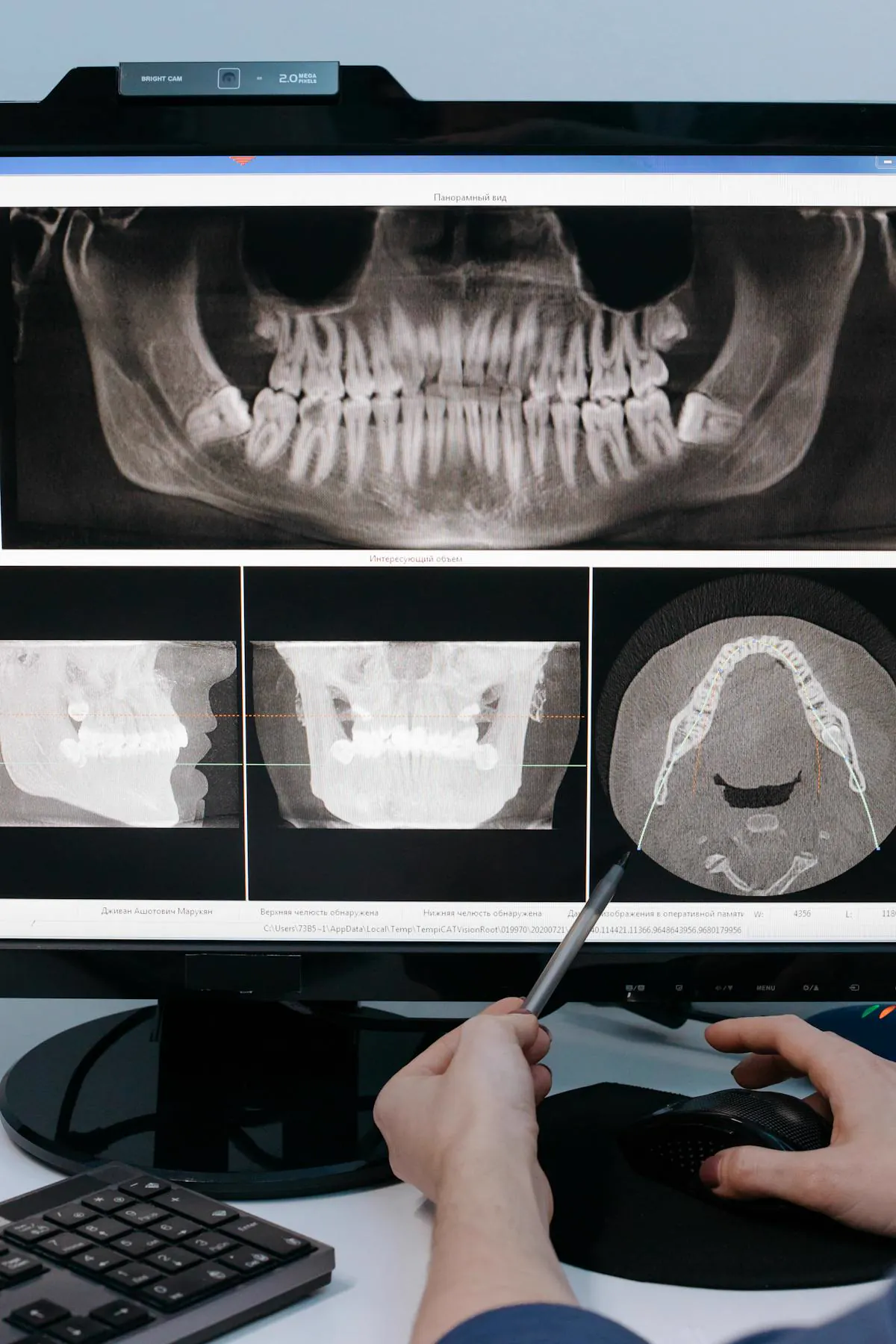
Root canal treatment removes infected or inflamed nerve tissue from inside a tooth so you can keep the tooth instead of losing it. Dr Daniel Raditaolana provides root canal treatment at our practice at Northgate Shopping Centre, North Tamworth, and if you are in pain, call us before 1pm for a same-day emergency appointment.
An infected tooth nerve can cause throbbing pain that spreads to your jaw, ear or head, swelling, or a pimple on the gum that keeps coming back. The infection often starts with deep decay, a crack, or an old injury, and it will not heal on its own. Left untreated, it can spread into the bone and form an abscess, and the tooth may eventually need to come out.
The Root Canal Process
- Diagnosis. We examine the tooth and take digital X-rays to see the roots and the extent of the infection, then explain your options and the cost.
- Cleaning the canals. The tooth is numbed, a small opening is made in the top, and the infected pulp is removed. The canals are cleaned, shaped and disinfected.
- Sealing. The canals are filled with a biocompatible material called gutta-percha, and a temporary filling protects the tooth.
- Restoring the tooth. Most back teeth need a dental crown to protect them from cracking. Front teeth may only need a filling.
Recovery and Aftercare
Some tenderness for a few days is normal and can usually be managed with over-the-counter pain relief. Most people go back to work or school the same day. Avoid chewing hard foods on the tooth until its permanent crown or filling is in place, keep brushing and flossing as normal, and call us if swelling or pain gets worse rather than better. With a good final restoration and regular check-ups, a root-filled tooth can last for many years.
Why Save Your Natural Tooth?
Keeping your own tooth maintains your bite and chewing, stops neighbouring teeth drifting, and avoids the extra cost and time of a replacement. When a tooth cannot be saved, we can talk you through tooth extraction and replacement options such as dental implants or a bridge.
Signs You May Need a Root Canal
Who Is Root Canal Treatment For?
Often a good fit if you:
- Have an infected or inflamed nerve in a tooth that can still be restored
- Have an abscess or a recurring gum pimple near a tooth
- Have a tooth that has been cracked or injured and the nerve is affected
- Want to keep your natural tooth rather than replace it
Another option may suit you better if:
- The tooth is too broken down or cracked below the gum to restore
- There is not enough bone support around the tooth
Don't Live With a Severe Toothache
If you have any of these symptoms, see a dentist as soon as you can. Call before 1pm for a same-day appointment at our North Tamworth practice.
Real Patient Results
Examples of treatment provided at our Tamworth practice


Root canal treatment followed by porcelain crowns and composite restorations
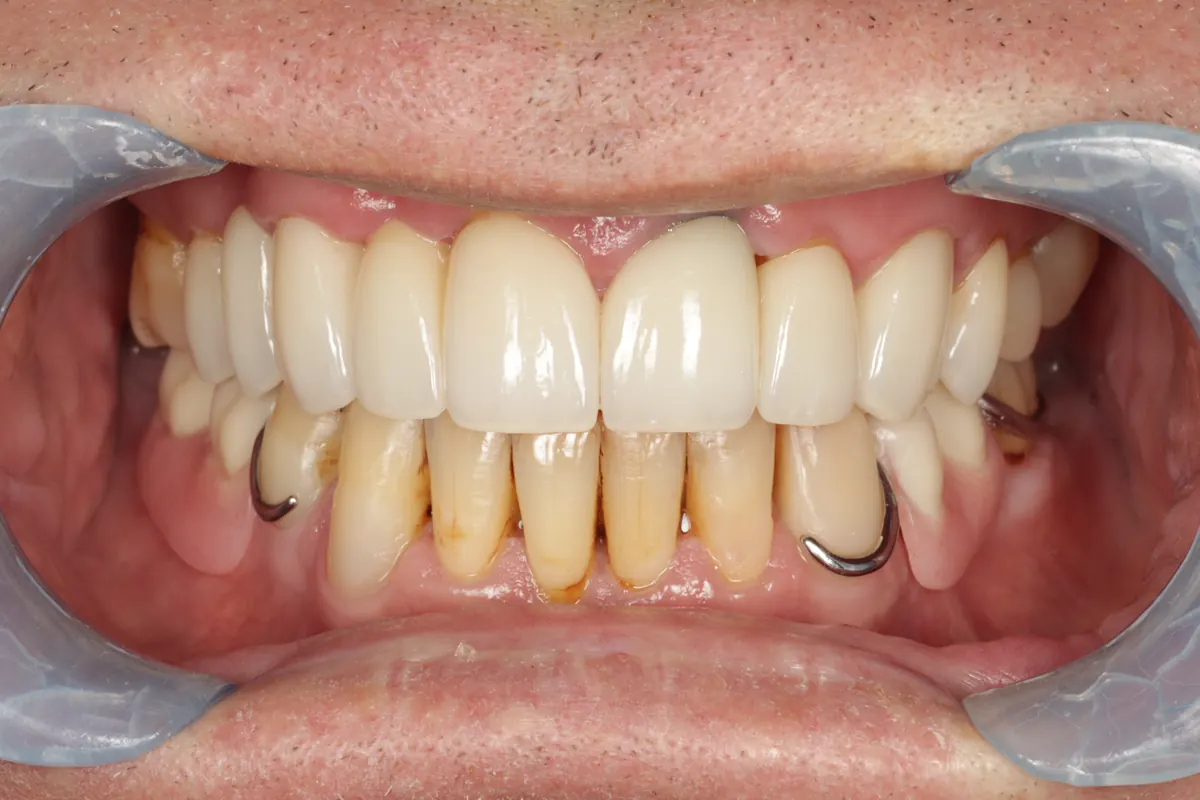
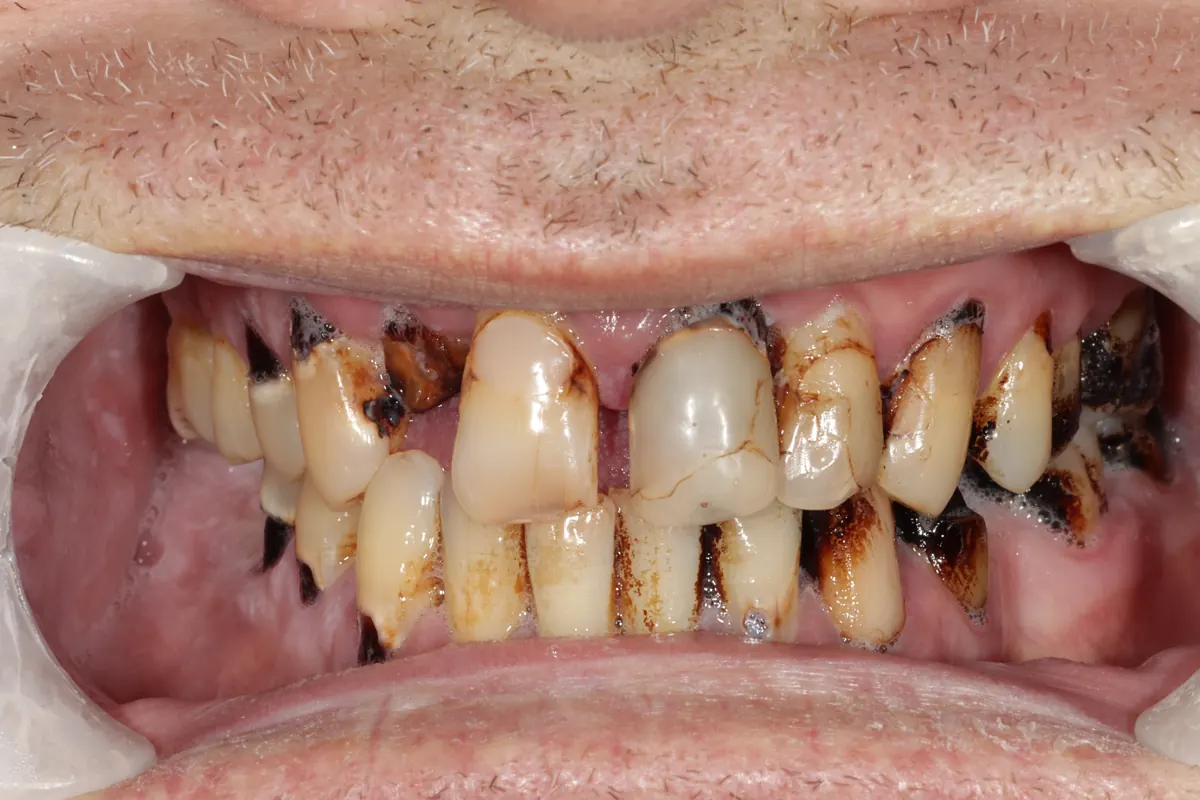
Root canal treatment, a porcelain bridge and crowns
Individual results vary. Any surgical or invasive procedure carries risks; seek a second opinion from an appropriately qualified health practitioner before proceeding.
Root Canal Treatment: Frequently Asked Questions
Contact Our Tamworth Practice Today
Get an urgent assessment for your toothache.
Related Articles
All dental articles
Root Canal Treatment at Oasis Dental Tamworth: Saving Your Natural Smile Comfortably and Effectively
Root canal treatment has an undeserved reputation for being painful, but at Oasis Dental Tamworth, our advanced techniques and compassionate care make the experience far more comfortable than most patients expect. Learn how modern root canal therapy saves your natural teeth, relieves pain, and restores full oral function with lasting results.

What Is a Root Canal? Procedure and Costs
Wondering what is a root canal? Our simple guide explains the procedure, recovery, and costs. Learn how we make treatment comfortable in Tamworth.

Root Canal or Extraction: A Clear Guide for Tamworth Families
Deciding on a root canal or extraction in Tamworth? This guide explains the procedures, costs, and long-term outcomes to help you make the best choice.