

Dental Bridges in Tamworth
A fixed way to replace one or more missing teeth
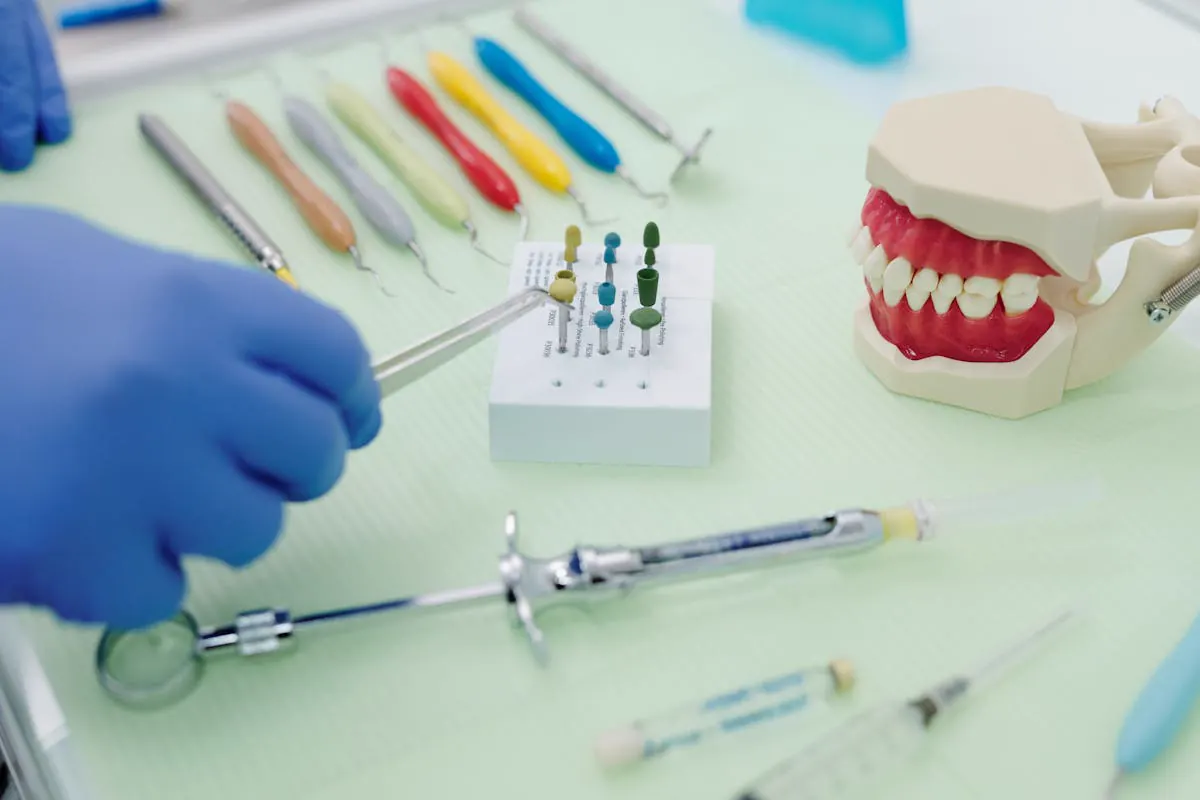
A dental bridge fills the gap left by one or more missing teeth with a fixed, tooth-coloured replacement. At Oasis Smiles Dental, at Northgate Shopping Centre in North Tamworth, we design and fit bridges using digital scans, and for suitable cases our CEREC system can make a ceramic bridge in a single visit.
A missing tooth can make chewing harder, change how you speak, and leave you self-conscious about your smile. Over time the teeth either side can drift into the space, throwing out your bite and making the area harder to clean. Many people in Tamworth and the New England region put off replacing a tooth, but the longer the gap is left, the more the surrounding teeth and bone can change.
How a Dental Bridge Works
A traditional bridge has one or more artificial teeth, called pontics, held in place by dental crowns on the natural teeth either side of the gap, called abutments. The bridge is cemented in place, so it stays put when you eat, talk and clean your teeth.
The Bridge Process
- Assessment. Dr Daniel Raditaolana examines the gap and the supporting teeth, takes X-rays, and explains whether a bridge, an implant or a denture suits you best, with a written quote.
- Preparation. The teeth either side of the gap are numbed and reshaped to make room for the crowns that hold the bridge.
- Digital impressions. We scan your teeth with our Trios intraoral scanner for an accurate fit, with no putty impressions.
- Fitting. For suitable cases, our CEREC technology makes the ceramic bridge the same day. Otherwise we fit a temporary bridge while yours is made, then check the fit, shade and bite before cementing it.
Aftercare
Your new bridge may feel slightly different for a few days while you get used to it. Brush twice a day and clean under the pontic every day with floss threaders, super floss or interdental brushes, as plaque can build up there. Keep up your regular check-ups and cleans so we can check the supporting teeth and gums. With good care, a bridge can last many years.
Why Choose a Dental Bridge?
Who Is a Dental Bridge For?
Often a good fit if you:
- Are missing one tooth, or a few teeth next to each other
- Have healthy, strong teeth either side of the gap
- Have teeth beside the gap that already need crowns
- Prefer a fixed option and would rather avoid implant surgery
Another option may suit you better if:
- The teeth beside the gap are healthy and untouched: an implant avoids reshaping them
- Several teeth are missing in different places: a partial denture may suit
- The supporting teeth have gum disease or not enough support
Ready to Replace a Missing Tooth?
Book a consultation to talk through a bridge, an implant or a denture. We will explain the options and give you a written quote.
Real Patient Results
Examples of treatment provided at our Tamworth practice
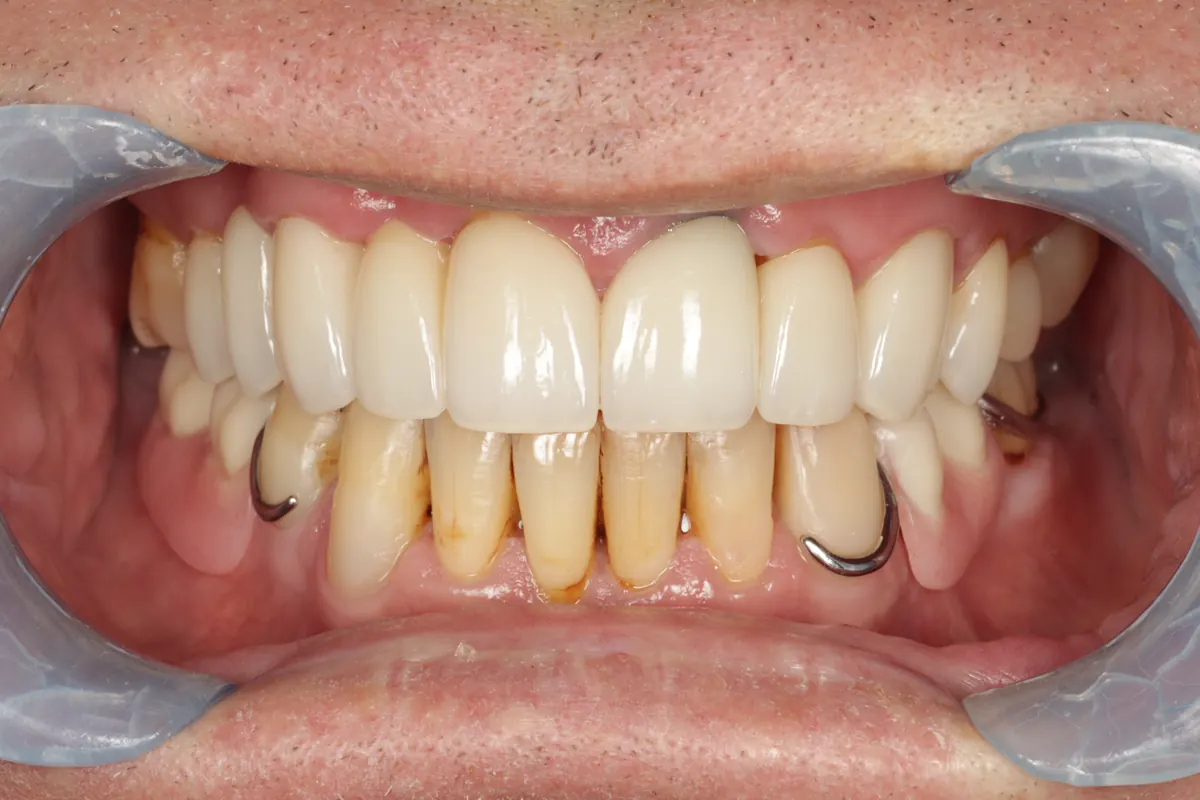
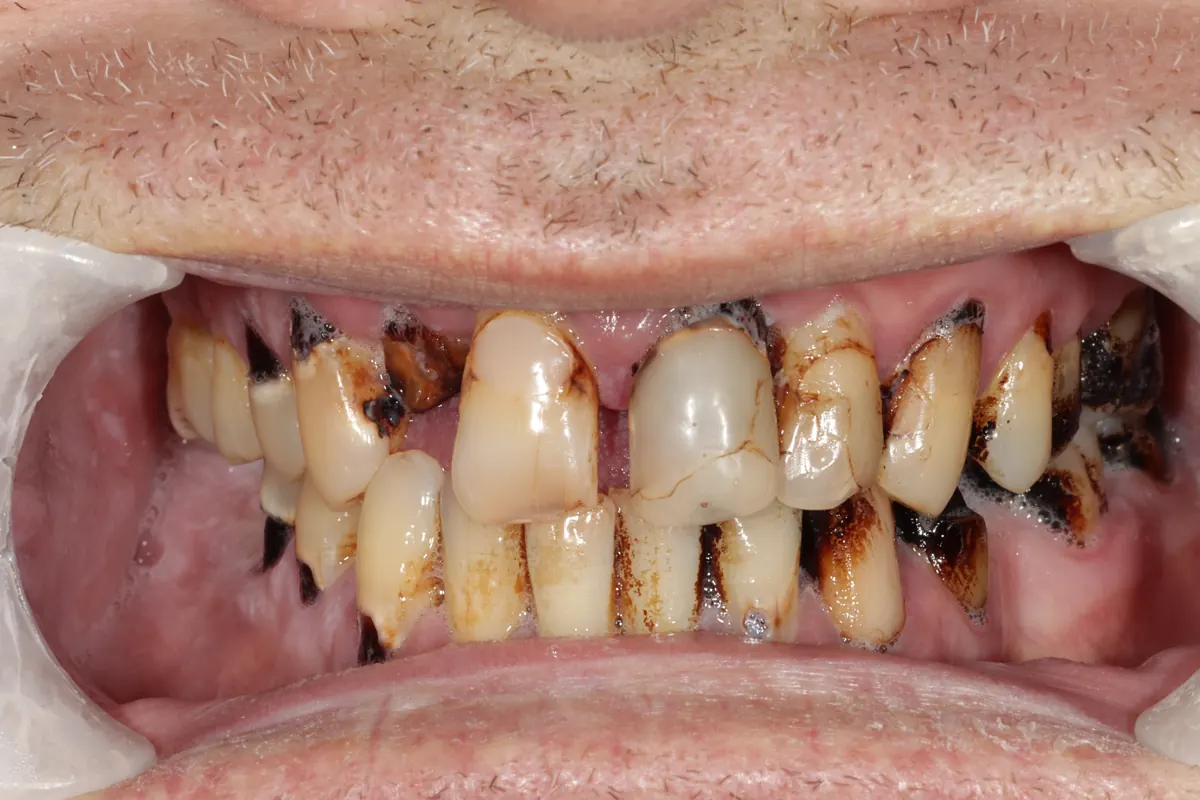
Root canal treatment, a porcelain bridge and crowns
Individual results vary. Any surgical or invasive procedure carries risks; seek a second opinion from an appropriately qualified health practitioner before proceeding.
Dental Bridges: Frequently Asked Questions
Replace Your Missing Teeth
Call (02) 6766 2668 to book your dental bridge consultation.
Related Articles
All dental articles
How Long Does a Dental Bridge Last? A 2026 AU Guide
Curious how long does a dental bridge last? Our guide covers lifespans (5-20+ years), materials, care tips, and replacement signs. Info for Tamworth & NSW.

Restorative Dentistry at Oasis Dental: Advanced Solutions to Rebuild and Revive Your Smile
# Restorative Dentistry at Oasis Dental: Advanced Solutions to Rebuild and Revive Your Smile Life happens. Teeth chip, crack, decay, and sometimes go...

Full Mouth Rehabilitation: A Complete Patient Guide
Considering a full mouth rehabilitation? Our guide explains the process, costs, treatments, and outcomes to help you make an informed decision in Tamworth.