

Payment Plan for Dentures: Your 2026 Tamworth Guide
You might be reading this because you already know you need dentures, but the numbers make you stop cold. You can manage the discomfort for a bit longer. You can chew on the other side. You can put off the appointment until “later”.
That delay usually costs more than money.
If you're in Tamworth or anywhere across the New England region, the right question isn't “Can I afford dentures?” It's “Which payment path makes this manageable without putting pressure on the rest of my life?” That's the practical way to approach it. Dentures are important treatment, and a good payment plan for dentures can turn a big one-off expense into something you can practically work with.
Why You Shouldn't Let Cost Delay Your Smile
You feel the problem every day. Meals take longer. You avoid certain foods. You think about booking an appointment, then stop as soon as you picture the bill.
That reaction is common across Tamworth and the New England region, especially for retirees, veterans, and families already watching every dollar. The mistake is waiting until you have the full amount sitting in the bank before you even ask what your options are.
Dentures are planned treatment. Planned treatment gives you choices.
What delay usually leads to
Waiting rarely keeps life steady. It usually makes day-to-day things more frustrating and can limit your options later.
- Eating becomes more restricted: Harder foods get pushed aside first, then even ordinary meals can become a chore.
- Speech can feel less natural: Certain sounds take more effort, which affects work, phone calls, and social situations.
- Confidence takes a hit: People start covering their mouth when they laugh, avoiding photos, or skipping outings.
- Treatment can become less straightforward: Small problems have a habit of turning into bigger, slower, more expensive ones.
I see this locally all the time. People tell themselves they will deal with it after Christmas, after rates are paid, or after one more big household expense. Then six months disappear.
A better approach is simple. Find out what treatment you need, get a written plan, and then choose a payment method that fits your budget.
A sensible way to approach the cost
Start with clarity. Ask which denture type suits your mouth, what steps are involved, and whether any part of care can be staged. Then ask about private health cover, payment plans, and public support if you live in NSW or hold a DVA card.
That matters here because local patients may have access to help that broad national articles barely mention. In Tamworth and the wider New England region, some people can reduce upfront pressure through NSW public dental pathways or DVA entitlements, while others are better served by a structured private payment plan. The right answer depends on your situation, not a generic article written for the whole country.
If you want a clearer picture of the treatment itself before you talk numbers, read about full and partial denture treatment options.
If cost is the only reason you are delaying, stop guessing. Get the plan, compare the payment paths, and choose the one that lets you move ahead without throwing the rest of your finances off balance.
How Much Do Dentures Cost in 2026
You sit down for a denture quote expecting one clear number. Instead, you hear a range. That is normal, and it is usually a sign the dentist is being honest.
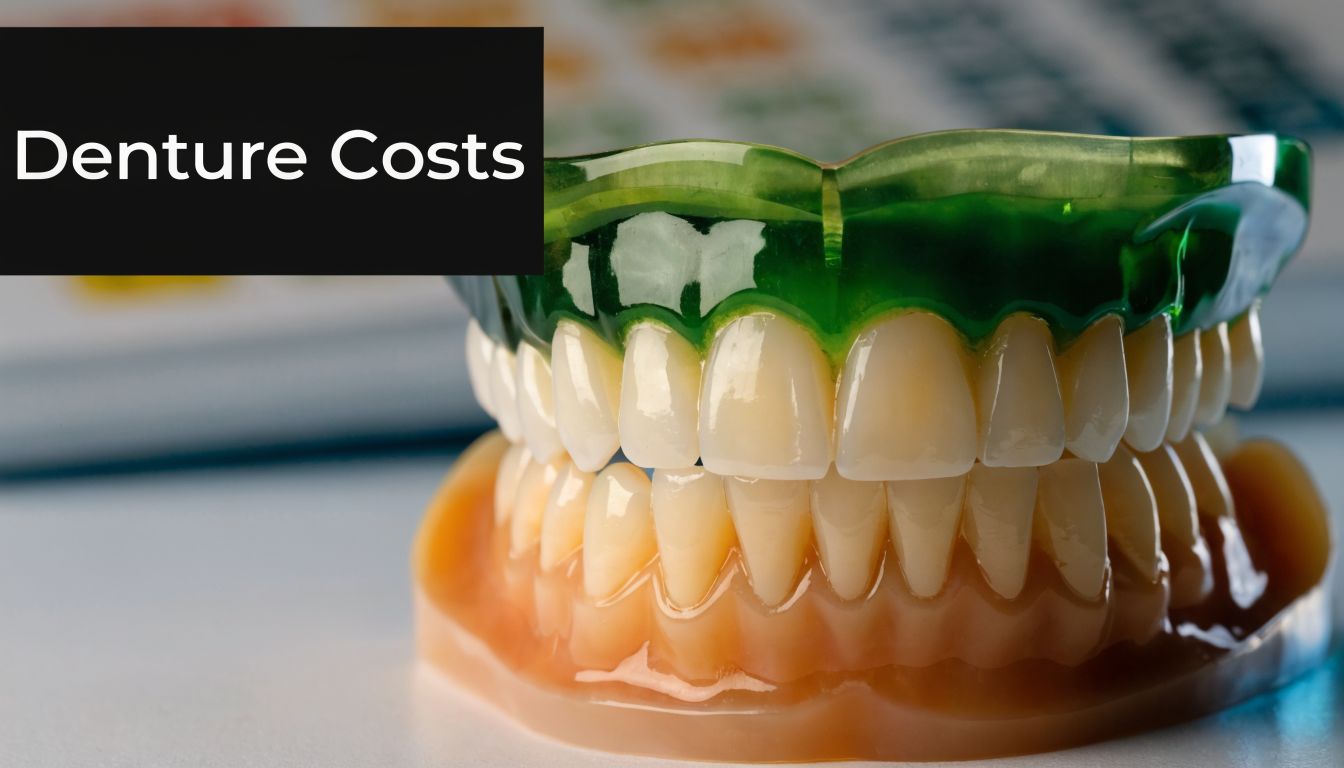
In Tamworth and across the New England region, denture costs in 2026 still vary widely because the treatment itself varies widely. A straightforward full denture is very different from a partial denture with multiple clasps, a case that needs extractions first, or a mouth that needs several review visits to get the bite stable. Published Australian cost information places full conventional dentures at roughly AUD $2,000 to $6,000 per arch in many cases, based on published Australian cost information.
What changes the price
The biggest cost drivers are the type of denture, the condition of your mouth, and how much clinic time your case needs.
- Full or partial denture: A full denture replaces all teeth in an upper or lower arch. A partial denture replaces selected teeth and often needs a more detailed design to work around the teeth you still have.
- Materials: Standard acrylic costs less than premium materials and more cosmetic tooth setups.
- Complexity of fit: Some patients adapt quickly. Others need more detailed impressions, more adjustment visits, and closer bite refinement.
- Immediate or conventional denture: An immediate denture is made around extractions and usually involves a different sequence of care.
- Other treatment at the same time: Extractions, relines, repairs, soft liners, and future implant planning can all add to the total fee.
This is why comparing quotes by headline price alone is a mistake. You need to compare what is included, how many visits are expected, what review care is covered, and whether the denture being quoted is the right one for your mouth.
What you are actually paying for
A denture fee covers far more than the appliance itself. You are paying for the clinical exam, impressions or scans, bite records, shade and tooth selection, laboratory work, fitting, adjustment visits, and follow-up care.
That matters. A cheap denture that rubs, moves, clicks, or makes eating difficult is not good value. If you want to understand the treatment side before weighing up finance, review your full and partial denture treatment options.
Patients in regional NSW should also ask one more question that many national articles miss. Are there any public or veteran support pathways that could reduce the out-of-pocket cost? In Tamworth, that can make a real difference, especially for eligible NSW Health patients and DVA card holders.
How to budget sensibly
Ask for a written quote in plain English. It should show what denture you are getting, what appointments are included, and which extra costs might still arise.
If the quote feels vague, ask the clinic to break it down. Clear pricing is part of good care. Clinics that explain costs well usually run their systems well too, and these important tips for dental clinic finances show why organised billing and treatment planning matter for patients as much as practices.
My advice is simple. Choose the denture that suits your mouth first, then choose the payment method that suits your budget. That order saves people from paying twice.
Exploring Your Denture Payment Plan Options
Most patients have more than one way to pay. That's good news, but it also creates confusion if you don't understand how each option works. The right payment plan for dentures depends on whether you value flexibility, speed, low admin, or support from existing cover.
Recognising affordability pressure, over 60% of private dental practices in Australia now offer some form of in-house or third-party financing. That broad shift matters because it means payment plans are no longer unusual. They're part of normal treatment access in private care.
The main options patients use
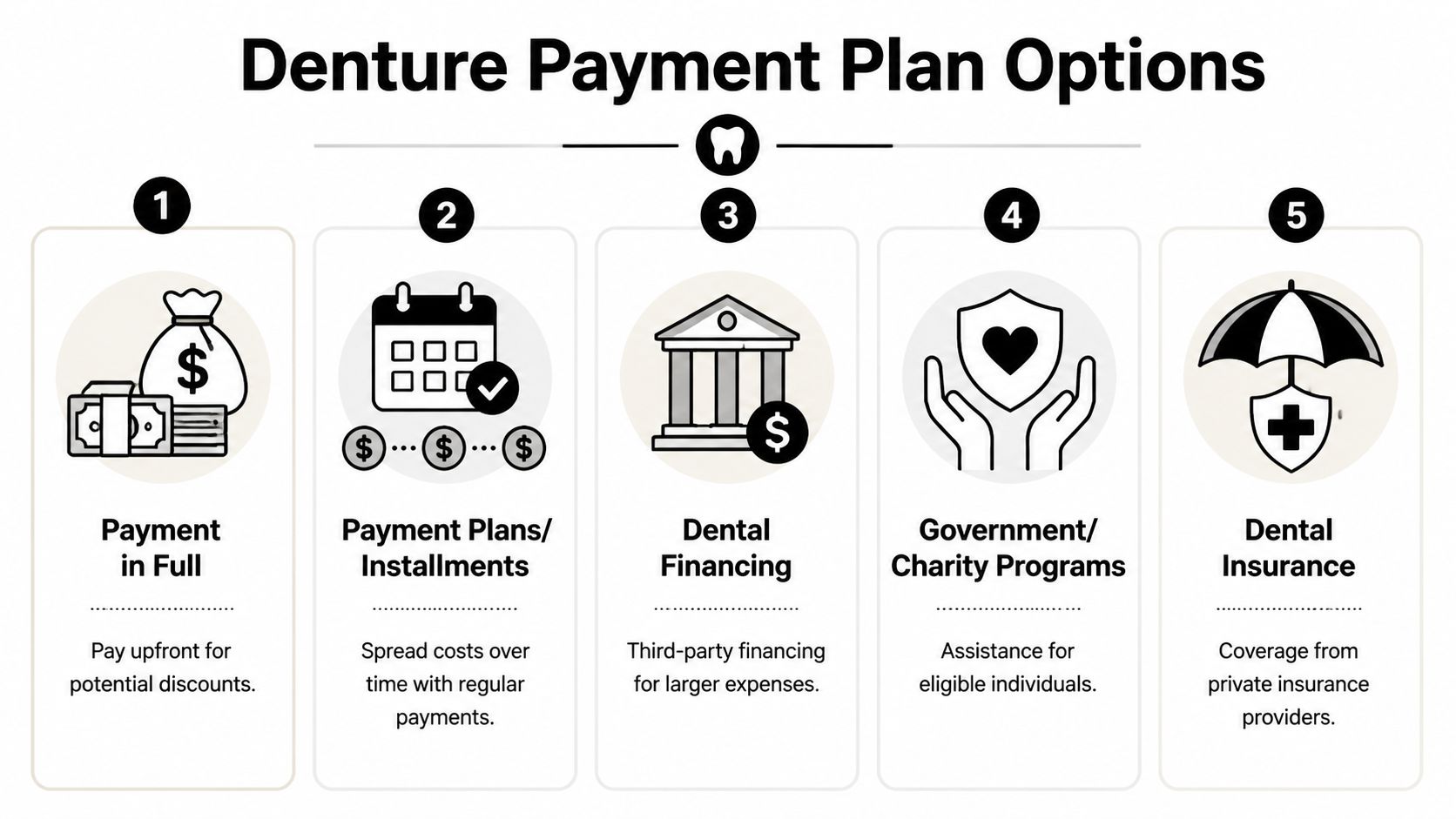
Paying in full is the simplest route. If you've saved for treatment or can comfortably cover the fee, this keeps admin low and avoids ongoing repayments.
In-house payment plans are arranged through the clinic. These can be easier to understand because you're dealing directly with the practice, not a separate lender. Terms vary, so you need to ask exactly when payments start, how often they’re made, and what happens if your circumstances change.
Third-party finance or instalment providers sit outside the clinic. In Australia, patients often ask about services such as Afterpay, Zip, or Humm. These can be convenient, especially when approval is fast, but you must read the terms carefully. Convenience is useful. Blind convenience is not.
Private health funds aren't a payment plan in the usual sense, but they can reduce the amount you need to finance. That makes them part of the decision, especially if your extras cover includes major dental or prosthetic-related benefits.
For local patients who want to review available support and payment information before making decisions, the patient information page is a useful starting point.
Comparing Denture Payment Plans
| Feature | In-House Plan | Third-Party (e.g., Afterpay/Zip) | Private Health Fund | |---|---|---|---| | Who you deal with | The dental clinic | External finance provider | Your insurer | | Main purpose | Spread treatment cost over time | Spread treatment cost over time | Reduce out-of-pocket gap if cover applies | | Application style | Usually discussed during treatment planning | Usually digital or app-based | Claim through your fund rules | | Best fit | Patients wanting direct communication | Patients wanting quick setup | Patients with existing extras cover | | Key caution | Check all repayment terms in writing | Read fees, due dates, and credit implications carefully | Confirm waiting periods and item limits |
My recommendation on how to compare them
Don't start by asking, “Which one approves me fastest?” Start by asking these three questions:
- What's the total amount I still need to cover after any health fund claim?
- Can I meet the repayment dates comfortably from regular income?
- If life changes next month, who do I speak to and what flexibility exists?
That third question matters more than people realise. A plan isn't good just because it gets you through checkout. It's good if it still works when a car repair, vet bill, or change in work hours hits at the same time.
A dental practice also needs clear systems to explain costs properly, and some of the broader important tips for dental clinic finances are worth understanding because they show why transparent treatment estimates and repayment communication matter on both sides of the desk.
One local example worth knowing is that Oasis Smiles Dental offers interest-free payment options through Afterpay, Humm, or DentiCare for eligible treatment arrangements. That's one route among several, not the only route, and it should still be judged by whether the schedule suits your life.
Accessing Government and DVA Denture Support in NSW
A lot of denture articles online are built for American readers, which makes them frustratingly useless for people in Tamworth. They talk about systems that don't apply here and skip the local pathways that matter.
Many online guides focus on US funding and leave out NSW state-based dental schemes and Department of Veterans' Affairs support for eligible veterans, as noted in this discussion of the Australian information gap. If you live in the New England region, that's the gap you need to fix first.

NSW public dental pathways
If you're on a low income, hold a concession card, or receive certain government payments, ask about public dental eligibility in NSW before agreeing to private finance. This is especially relevant for pensioners and people who are trying to manage several medical costs at once.
The practical steps are simple:
- Check your concession status: Bring any pension, health care, or related entitlement cards to your dental consultation.
- Ask specifically about NSW public options: Don't settle for a vague “Medicare should cover it”. Standard Medicare dental coverage is limited, so you need a direct answer.
- Clarify waiting times and scope: Public pathways can help, but availability and timing may differ from private treatment.
- Get a private fallback plan: If the public wait doesn't suit your health or function, compare it against a staged private option.
DVA support for eligible veterans
If you hold a DVA Gold Card or an eligible DVA White Card, ask about dental entitlements immediately. Too many veterans pay privately first and ask questions later. That's backwards.
> If you're a veteran or war widow and you're unsure what your card covers, bring the card to the appointment and ask the clinic to check before you commit to a payment plan.
That one step can save stress, duplicate paperwork, and unnecessary out-of-pocket cost.
What locals should do first
For Tamworth patients, the right order is this:
- Check whether you may qualify for NSW public support.
- Check whether DVA applies.
- Check private health fund benefits.
- Only then compare private payment plans for the remaining gap.
That's the cleanest sequence because it avoids financing an amount you may not need to finance.
Which Payment Plan Is Right for You
There isn't one best option for everyone. There is only the option that fits your situation with the least strain. That's how I think patients should decide.
The biggest mistake is choosing a plan because it feels easy in the chair, then discovering later that the repayment dates are awkward, the terms are rigid, or missed payments trigger problems you didn't expect.

If you're a pensioner or living on fixed income
Be conservative. That's my blunt advice.
Some financing plans advertise high approval, but missed payments can affect credit scores, which is a serious issue for patients on fixed incomes such as pensioners, as explained in this discussion of denture finance risks. If your budget is tight, don't choose a plan just because you qualify. Choose one with terms you can comfortably survive in a bad month.
Best approach:
- Check government and DVA pathways first
- Ask whether a simpler denture option is clinically suitable
- Avoid repayment schedules that leave no room for groceries, fuel, or medication
- Ask what hardship support exists before signing anything
If you have private health cover
Use it properly. Many families underuse their extras because they don't ask the right questions before treatment.
Call your fund and confirm what dentures-related items are included, whether waiting periods apply, and what part remains out of pocket. Then use a payment plan only for the gap. That's usually smarter than financing the whole amount.
If you want the lowest-stress option
Choose clarity over speed. An in-house arrangement can suit patients who prefer direct communication with the clinic instead of dealing with a separate app, lender, or customer support line.
> The best plan is the one you understand without needing a finance dictionary.
If you feel overwhelmed by terms and conditions, slow the process down. Ask for the repayment schedule in writing and take it home if needed.
If you're considering implant-supported treatment
Some patients find that standard dentures don't give them the stability they want, so they look at more advanced options such as implant dentures. If that's your situation, the payment decision matters even more because the treatment is more involved.
In that case, I recommend separating the emotional decision from the financial one. First ask, “Is this the right treatment for my mouth?” Then ask, “Can I fund it safely?” Don't merge those questions into one rushed yes.
Applying for Your Denture Payment Plan
Applying for a payment plan for dentures shouldn't feel mysterious. It’s usually much simpler when you prepare properly before the consultation.
What to bring
Bring the documents that help the clinic or finance provider give you a clear answer straight away:
- Photo ID: A driver's licence or other accepted identification.
- Health fund details: Your card or membership information if you have private cover.
- Benefit cards: Medicare, DVA, pension, or concession details if relevant.
- Income information: Whatever proof is needed for the payment option you're considering.
- A list of questions: Don't rely on memory when you're already thinking about treatment.
What usually happens next
First, the dentist confirms what treatment you need. That's important because payment should follow the treatment plan, not the other way around.
Then the team explains the available ways to pay. If you're using a third-party provider, the application is often completed through that provider’s system. If it's an in-house arrangement, the clinic will explain the repayment schedule and any conditions attached.
After approval, ask for these points in writing:
- Your repayment amount
- Your repayment dates
- The total term
- Any fees or charges
- What happens if a payment is late
- Who to contact if your circumstances change
How to keep the plan manageable
Set your repayment date just after income lands if you have that option. Don't put it at the end of the week you pay rent, buy groceries, and refill scripts.
If the numbers already look tight on paper, they will look worse in real life. Say so early. It’s far better to adjust the treatment sequence or payment setup before you sign than to scramble later.
Start Your Journey to a Confident Smile at Oasis Smiles Dental
Dentures shouldn't stay on your “someday” list because the payment side feels confusing. For most patients, the solution is straightforward. Work out the treatment you need, check every support pathway available to you, and choose the repayment option that won't put your household under pressure.
If you're in Tamworth, local knowledge matters. NSW public support questions, DVA entitlements, private health fund claims, and practical instalment options don't always appear clearly in national articles. You need advice that fits where you live and how you pay for care.
A long-standing local clinic can help make that process clearer. Oasis Smiles Dental has served Tamworth and the New England region for many years, accepts major health funds, Medicare and DVA, and can talk through flexible payment pathways in plain English. That's useful if you want a treatment conversation without jargon and without being pushed into the wrong financial decision.
The next step doesn't need to be dramatic. It just needs to be practical. Book a consultation, bring your cards and questions, and get a written plan so you can decide calmly.
If dentures are affecting how you eat, speak, or feel about your smile, don't keep waiting for the perfect financial moment. Such a moment rarely arrives. Instead, get clarity, make a plan, and move forward.
For help discussing denture options, payment arrangements, and local support pathways, you can contact the team at Oasis Smiles Dental.
---
If you're ready to stop putting it off, book an appointment with Oasis Smiles Dental. The team can explain your denture options, check relevant health fund or DVA details, and help you work through a payment plan that fits your circumstances.